Intermittent hypoxic–hyperoxic training on cognitive performance in geriatric patients

IntroductionIntermittent hypoxic–hyperoxic training (IHHT) may complement a multimodal training intervention (MTI) for improving cognitive function and exercise tolerance in geriatric patients. MethodsThirty-four patients (64–92 years) participated in this randomized controlled trial. Before and after the 5- to 7-week intervention period (MTI 1 IHHT vs. MTI 1 ambient air), cognitive func- tion was assessed by the Dementia-Detection Test (DemTect) and the Sunderland Clock-Drawing Test (CDT), and…

A programme based on repeated hypoxia–hyperoxia exposure and light exercise enhances performance in athletes with overtraining syndrome: a pilot study

SummaryOvertraining syndrome (OTS) is a major concern among endurance athletes and is a leading cause in preventing them to perform for long periods. Intermittent exposure to hypoxia has been shown to be an effective way of improving perfor- mance without exercising. Aim of this pilot study was to evaluate intermittent hypoxia–hyperoxia training combined with light exercise as an intervention to facilitate athletes with OTS to…

Adaptations following an intermittent hypoxia-hyperoxia training in coronary artery disease patients: a controlled study

Background: Repeated exposure to intermittent normobaric hypoxia improves exercise tolerance in cardiac patients. Little is known on the effects of intermittent normobaric hypoxia-hyperoxia exposure in coronary artery disease (CAD) patients (New York Heart Association II-III). Hypothesis: IHHT improves exercise tolerance, cardiometabolic profile, and quality of life in CAD patients. Methods: The study design was a nonrandomized, controlled, before-and-after trial. Forty-six CAD patients volunteered to take…

Intermittent Hypoxia–Hyperoxia Conditioning Improves Cardiorespiratory Fitness in Older Comorbid Cardiac Outpatients Without Hematological Changes: A Randomized Controlled Trial

Aim: To compare a program based on intermittent hypoxia-hyperoxia training (IHHT) consisting of breathing hypoxic-hyperoxic gas mixtures while resting to a standard exercise-based rehabilitation program with respect to cardiorespiratory fitness (CRF) in older, comorbid cardiac outpatients. Materials and methods: Thirty-two cardiac patients with comorbidities were randomly allocated to IHHT and control (CTRL) groups. IHHT completed a 5-week program of exposure to hypoxia-hyperoxia while resting, CTRL…

Intermittent Systemic Hypoxic-Hyperoxic Training for Myocardial Protection in Patients Undergoing Coronary Artery Bypass Surgery: First Results From a Single-Centre, Randomised Controlled Trial

Background: Although remote ischaemic preconditioning (RIP) provides protection against myocardial ischaemia and reperfusion injury during cardiac surgery, it is not widely used. Systemic intermittent hypoxic-hyperoxic training (IHHT) may be a suitable alternative. Methods: This is a prospective, single-centre, randomised controlled trial. 127 patients with ischaemic heart disease and indication for coronary artery bypass graft (CABG) surgery from the Cardiology Clinic IM Sechenov First Moscow State…

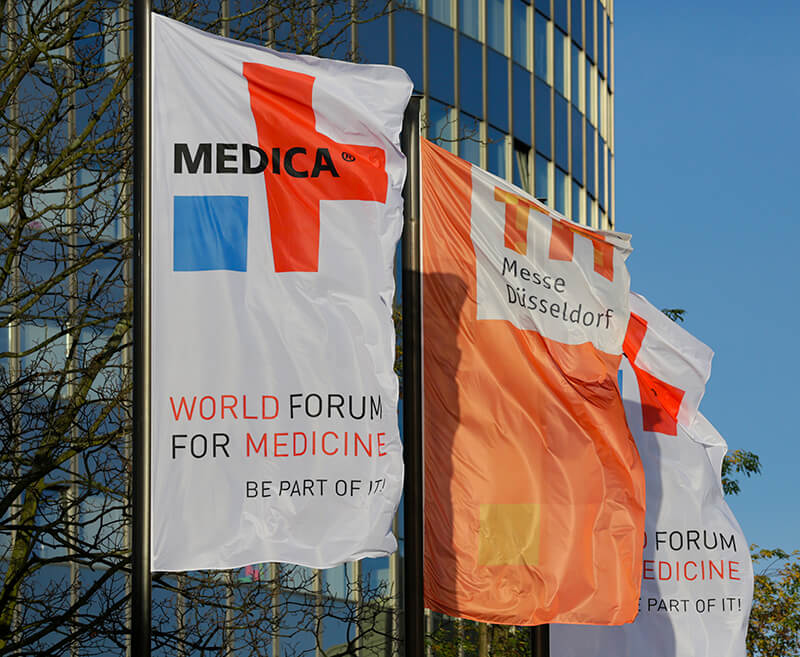
Medica 2019

Ai Mediq is looking forward to seeing all our existing partners and new potential collaborators at joint booth of Ministry of Economy of Grand Duchy of Luxembourg tomorrow morning during opening of the Exhibition. The booth number remained the same A74 in Hall 3, so you should have no problems locating us. See you in Dusseldorf. P.S. Distributors wanted.